
For many men, the first sign that something has changed isn’t the number on the scale, but the way their body looks and feels. The waistline gradually expands, workouts don’t produce the same results, muscle seems harder to maintain, and the energy that once came naturally begins to fade. It’s easy to blame a busy schedule or simply getting older, but those changes aren’t always as straightforward as they seem.
If you’ve started looking into liposuction to address stubborn fat, it’s worth taking a step back first. While liposuction is an excellent body contouring procedure for the right candidate, it doesn’t address every factor that influences body composition.
For some men, hormonal changes, particularly declining testosterone, may be part of the picture. That’s why understanding your overall health before surgery can be just as important as choosing the procedure itself. For men who are appropriate candidates, hormone therapy may become one component of a personalized wellness plan after a thorough medical evaluation.
Before deciding whether liposuction is the right next step, read on to learn how testosterone, muscle, and fat work together and why looking beyond the surface can help you make a more informed decision.
What Is Hormone Therapy for Men?
Before discussing body contouring, it’s helpful to understand what hormone therapy is and how it fits into men’s health. Hormone therapy for men is a medical treatment that may be recommended when testing and a comprehensive evaluation show clinically low testosterone levels accompanied by related symptoms.
Testosterone influences far more than sexual health; it also plays a role in muscle maintenance, energy, mood, metabolism, bone health, and body composition. The Live Brighter guide emphasizes that hormones regulate many aspects of daily function and that symptoms should be evaluated alongside laboratory findings rather than relying on numbers alone.
For appropriate candidates, treatment plans are individualized based on symptoms, health history, laboratory results, and long-term goals. Depending on the patient, hormone therapy may be discussed to help address symptoms such as:
- Persistent low energy
- Reduced muscle strength
- Decreased motivation
- Difficulty maintaining lean muscle
- Increased body fat
- Reduced libido
- Brain fog
- Mood changes
It’s important to remember that not every man with these symptoms has low testosterone, and not every man with low testosterone is a candidate for treatment. Comprehensive testing and an individualized medical evaluation remain the foundation of good care.
As the wellness guide explains, meaningful hormone care begins with listening to symptoms and evaluating the whole patient rather than focusing exclusively on laboratory values.
What Men Should Know Before Undergoing Liposuction
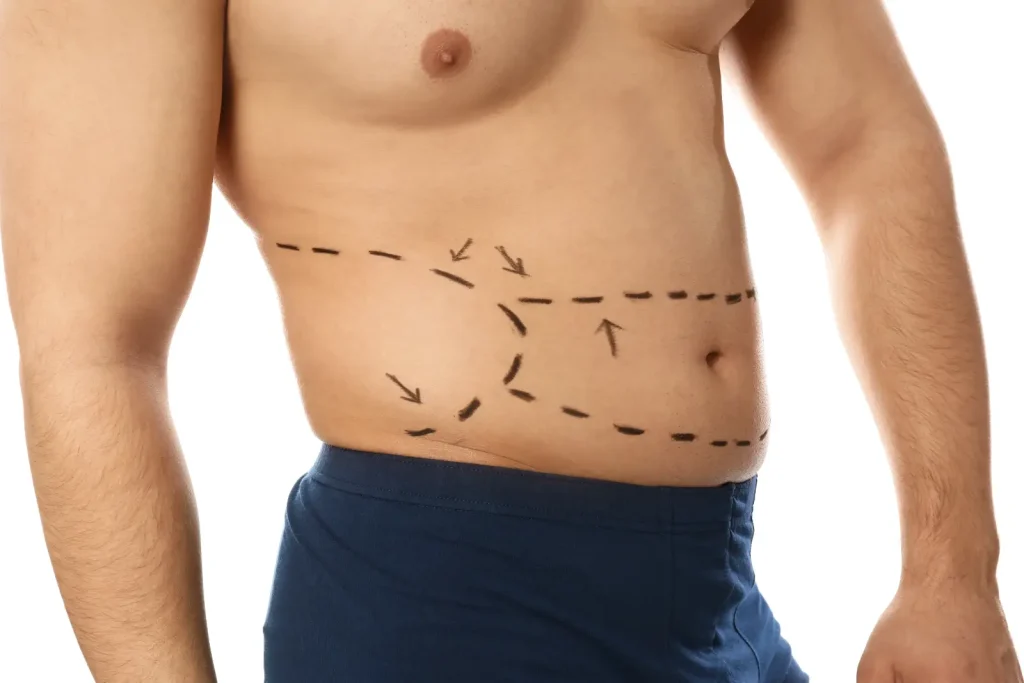
Choosing liposuction isn’t simply about removing unwanted fat. The best outcomes begin with understanding why your body has changed. While liposuction can reshape areas of stubborn fat, it cannot address the biological factors that may have contributed to those changes in the first place.
1. It’s Not Always About Body Fat
Many men assume a growing waistline is simply the result of eating too much or exercising too little. Sometimes that’s true. Other times, the picture is more complex.
Hormones, aging, sleep quality, stress, nutrition, and activity levels all influence how the body stores fat. When testosterone declines, some men notice gradual changes in body composition that seem disproportionate to their lifestyle.
This doesn’t mean every man with abdominal fat has low testosterone. It does mean persistent changes deserve a closer look instead of being dismissed as “just getting older.” Understanding the relationship between testosterone and body fat men experience over time allows patients to make more informed decisions before considering cosmetic surgery.
2. Low Testosterone Can Change More Than Energy
Most people associate testosterone with libido. In reality, its influence extends much further. Testosterone helps support:
- Lean muscle maintenance
- Energy production
- Physical performance
- Motivation
- Bone health
- Metabolic function
When levels decline, some men notice subtle changes that develop over several years rather than overnight. They may experience:
- Lower energy throughout the day
- Difficulty recovering after workouts
- Reduced strength
- Less motivation to exercise
- Increased abdominal fat
- Changes in overall body composition
Many men assume these changes are simply unavoidable. For some, they may represent normal aging. For others, they may warrant a discussion about male hormone optimization after a comprehensive medical evaluation.
3. Muscle Matters More Than Most Men Realize
When men think about body composition, they often focus entirely on fat. Muscle deserves equal attention. Healthy muscle supports posture, movement, strength, metabolism, and physical function. As testosterone naturally changes with age, maintaining muscle may become more challenging for some men.
Reduced testosterone muscle mass can influence how the body looks, even if overall weight hasn’t changed significantly. For example, a man may weigh exactly what he did ten years ago while noticing:
- Less definition
- A softer midsection
- Reduced shoulder and chest fullness
- Lower exercise performance
These changes aren’t always caused by one factor alone, which is why evaluating lifestyle habits alongside overall health provides a more complete picture.
4. Why the Midsection Changes First
One of the most common frustrations men describe is the appearance of male midsection fat.
They often say:
“I’ve never had a stomach before.”
“Nothing I’m doing seems to work anymore.”
Abdominal fat can become more noticeable with age for many reasons, including decreased physical activity, dietary habits, stress, sleep quality, genetics, and hormonal changes. For some men experiencing low testosterone belly fat, declining testosterone may contribute to shifts in body composition that make fat distribution look different than it did earlier in life.
That doesn’t mean testosterone is always the cause. It does mean persistent changes deserve thoughtful evaluation rather than assumptions. Understanding what’s contributing to those changes helps determine whether lifestyle modification, medical management, body contouring, or a combination of approaches is most appropriate.
5. Liposuction Doesn’t Treat Low Testosterone
This is one of the most important concepts to understand before surgery. Liposuction removes localized fat deposits. It does not:
- Increase testosterone
- Improve metabolism
- Restore muscle mass
- Correct hormone deficiencies
- Treat fatigue
- Address underlying medical conditions
A man experiencing low T weight gain may still struggle with low energy or changes in body composition after liposuction if the underlying hormonal issue hasn’t been identified.
That’s why liposuction should never be viewed as a treatment for hormone imbalance. Instead, it should be viewed as a procedure that reshapes areas of stubborn fat after the broader picture of health has been evaluated.
6. Looking Beyond the Scale
Weight alone rarely tells the whole story. Two men with the same weight can have very different proportions of muscle and fat. That’s why body composition, not simply body weight, plays such an important role when considering men’s body contouring.
Looking at the complete picture includes questions such as:
- Has your weight been stable?
- Have you noticed declining strength?
- Are you exercising consistently?
- Do you feel persistently fatigued?
- Have body changes occurred alongside other symptoms?
These conversations help determine whether cosmetic treatment alone is appropriate or whether additional medical evaluation should come first.
7. Gynecomastia Deserves a Closer Look
Not every concern involving the chest is solved with liposuction alone. Some men notice fullness in the chest that doesn’t improve with weight loss or exercise. While excess fat can contribute to this appearance, true gynecomastia and hormones are sometimes connected. Gynecomastia refers to the enlargement of glandular breast tissue, and hormonal changes are one of several potential causes.
This distinction matters because liposuction removes fat, not glandular tissue. If chest enlargement is one of your primary concerns, a comprehensive evaluation can help determine whether you’re dealing with excess fat, gynecomastia, or a combination of both. That information plays an important role in selecting the most appropriate treatment plan and setting realistic expectations.

Looking Better Starts With Understanding Your Health
Choosing liposuction is about more than removing stubborn fat; it’s about understanding what has changed in your body and selecting the treatment that’s most appropriate for your goals. While some men are ideal candidates for body contouring, others may benefit from exploring whether hormonal changes are contributing to concerns like declining muscle mass, persistent abdominal fat, or reduced energy.
For men who qualify after a comprehensive evaluation, hormone therapy may become one part of a personalized approach that supports overall health while helping guide decisions about cosmetic treatment.
At Aqua Aesthetics & Wellness in Lansing, MI, every patient deserves an individualized evaluation that considers the complete picture. By looking beyond the surface and understanding how hormones, body composition, and lifestyle work together, you can move forward with confidence and choose the treatment plan that best supports your health and your long-term goals.
Get in touch with us today to book your appointment!
